

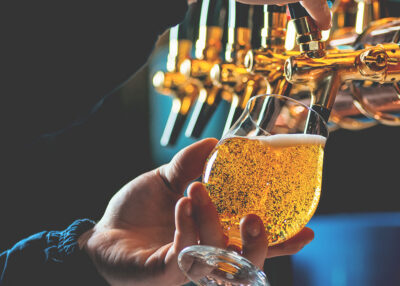
Lager is having a serious comeback.
For years, many craft beer drinkers chased bold IPAs, barrel-aged stouts and experimental ales. But lately, brewers and beer fans alike have been rediscovering something classic: clean, crisp and beautifully balanced lager beer.
What was once dismissed as “just light beer” is now being appreciated for what it truly is: one of the most difficult and refined beer styles to brew well.
But lagers aren’t new to America. In fact, they helped shape American beer culture from the very beginning.
So What Exactly Is a Lager?
The word “lager” comes from the German word lagern, meaning “to store.”
Unlike ales, which ferment warmer and faster, lagers are brewed using bottom-fermenting yeast at cooler temperatures. After fermentation, the beer is conditioned cold for weeks or even months.
That long, cold aging process creates the smooth, clean and crisp character lagers are known for.
Common lager styles include:
- Pilsner
- Helles
- Märzen
- Vienna lager
- Dunkel
- American lager
While each style has its own personality, most lagers share a refreshing finish and a focus on balance rather than overpowering intensity.
How Did Lager Brewing Arrive in America?
Lager brewing became popular in America during the 1800s as German immigrants brought their brewing traditions with them.
Many settled in cities like Milwaukee, St. Louis and Cincinnati, where brewing industries quickly grew around German-style beer halls and community culture.
Before lagers arrived, most American beer was ale. But lagers offered something different:
- Cleaner flavor
- Better consistency
- Greater refreshment
- Improved stability during storage
As refrigeration technology improved in the late 19th century, lager brewing exploded across the country.
Some of America’s biggest brewing names were built on traditional lager production, and by the early 1900s, lager had become America’s dominant beer style.
What Happened to Traditional American Lagers?
Prohibition changed everything.
When breweries shut down during the 1920s, many historic brewing traditions disappeared. After Prohibition ended, surviving breweries focused on producing lighter, more affordable beers that could appeal to the broadest possible audience.
Over time, American lager became associated with mass-produced light beer rather than craftsmanship.
For decades, many craft beer fans viewed lagers as boring compared to hop-forward ales and high-alcohol specialty beers.
But the reality is that great lagers are incredibly difficult to make.
Because lagers are so clean and delicate, there’s nowhere for brewing flaws to hide. Every ingredient, fermentation step and timing decision matters.
Why Are Craft Brewers Bringing Lagers Back?
Today’s craft brewers are rediscovering the beauty of precision and restraint.
Instead of chasing bigger flavors, many breweries are focusing on balance, drinkability and technical brewing skill. That’s exactly where lagers shine.
Modern craft lagers often emphasize:
- Fresh European-style hops
- High-quality pilsner malt
- Extended cold conditioning
- Traditional brewing methods
- Crisp, refreshing finishes
Brewers are also experimenting with historical recipes and regional lager traditions that nearly disappeared over the last century.
The result is a new generation of lagers that feel both classic and modern at the same time.
Why Do Lagers Taste So Crisp?
That signature crispness comes from a combination of yeast, fermentation temperature and conditioning time.
Lager yeast ferments slowly at cooler temperatures, producing fewer fruity flavors than ale yeast. The extended cold aging process helps smooth out the beer and creates a clean finish.
Many lagers also use lighter malts and moderate carbonation, which enhances their refreshing character.
Instead of bold sweetness or heavy bitterness, lagers focus on clarity, balance and subtle flavor.
Why Are Beer Fans Falling Back in Love With Lager?
Part of the comeback comes from simplicity.
After years of extreme beer trends, many drinkers are appreciating beers that are refreshing, balanced and easy to enjoy more than one of.
But there’s also a deeper appreciation happening among brewers and serious beer fans. Brewing a truly great lager requires patience, precision and discipline.
A well-made lager may seem simple at first sip, but that simplicity is exactly what makes it special.
Clean, crisp and timeless, lager proves that great beer doesn’t always need to shout to stand out.
Next time you’re at Druthers Brewing Company, try our Forge Ahead Pilsner.
Cheers!