

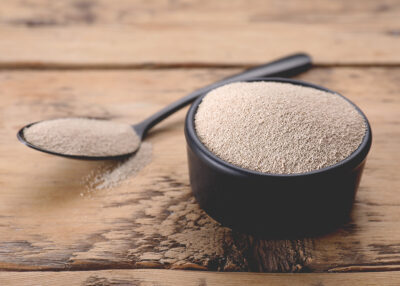
Before hops took the spotlight in beers, yeast was quietly doing all the heavy lifting. It’s the unsung hero of beer. A microscopic, single-celled fungus that not only makes beer beer (thanks, alcohol and bubbles!) but also plays a huge role in how it tastes. If you’re drinking a banana-y Hefeweizen or a funky saison, you’re tasting yeast in action.
But yeast’s story doesn’t start with modern craft beer. It started long before we even knew what yeast was.
The Accidental Discovery of Yeast
Ancient brewers in Mesopotamia didn’t realize it at the time, but when they left out a mixture of wet grain and it began to ferment, yeast was quietly at work. It wasn’t until the 1800s that Louis Pasteur studied yeast under a microscope and discovered that it was a living organism responsible for fermentation.
Yeast has always been an integral part of brewing, but our understanding of its full potential is a relatively recent development. Craft brewers now leverage this knowledge to dream up bold brews.
Yeast: The Flavor Factory
At its core, yeast eats sugar and spits out alcohol and carbon dioxide. That’s fermentation. But along the way, it also creates esters (which add fruity flavors), phenols (which can be spicy or funky) and other flavor compounds that completely change how a beer tastes and smells.
Let’s break it down:
- Esters – Think banana, pear, apple, or bubblegum. These are most noticeable in styles like Hefeweizens or Belgian ales.
- Phenols – These are spicy, clove-like, smoky or even barnyard-y. Belgian saisons and some wheat beers love phenols.
- Sulfur Compounds – Sometimes subtle, sometimes stinky. These can give beer that mineral, eggy or even “flinty” aroma.
- Diacetyl – A buttery, movie-theater-popcorn flavor. In most beers, it’s a flaw. In a few, it’s tradition, like English ales.
Yeast Strains Matter, A Lot
There are two main yeast families when it comes to beer:
- Ale Yeast (Saccharomyces cerevisiae)
This top-fermenting yeast works fast and at warmer temps. It’s used in everything from IPAs to stouts to Belgian dubbels. Ale yeast is expressive so you’ll really taste what it’s doing. - Lager Yeast (Saccharomyces pastorianus)
This bottom-fermenting yeast prefers cooler temps and a slower pace. The result? Crisp, clean beers where yeast stays in the background, letting malt and hops shine. Think Pilsners, Helles and Dunkels.
And then there’s the wild stuff…
Wild & Funky: Beyond Ale and Lager
Some brewers let wild yeasts (like Brettanomyces) or bacteria into the party…on purpose. These are used in sour beers and farmhouse ales to bring out tart, funky, earthy or dry notes. These beers age like wine, change over time. And honestly, they’re not for everyone. But if you like adventure in a glass? You’ve found your next obsession.
Yeast in the Craft Beer Boom
Once Fritz Maytag and company kickstarted the craft beer revolution in the ’60s and ’70s, brewers started realizing: we don’t have to just copy the big guys. We can create bold new styles and yeast is a big part of that.
Suddenly, American brewers were importing Belgian strains, experimenting with saison yeasts and playing around with wild fermentation. Yeast became not just a tool, but an ingredient worth celebrating.
Tasting Yeast: A Beginner’s Tip
Next time you’re sipping a beer, try this: skip the hops for a second and focus on the middle of the flavor. Is there fruitiness? Spiciness? Maybe a pleasant funk? That’s yeast doing its thing. Try tasting a Hefeweizen next to a clean American wheat beer. Same grain bill, totally different vibe, thanks to yeast.!
Why It Matters
At the end of the day, yeast is a brewer’s secret weapon. It’s the reason your hazy IPA tastes juicy, your saison is peppery and your lager is crisp and refreshing. Learning to recognize yeast-driven flavors can seriously level up your beer game. Whether you’re homebrewing, tasting flights or just grabbing a six-pack after work.
Try our Uncurious DDH NEIPA for a blast of tropical fruit esters or our Golden Rule Blonde Ale if you’re in the mood for something smooth and clean. And give a little hooray for yeast! It may be tiny, but it’s kind of a big deal.
Cheers!