

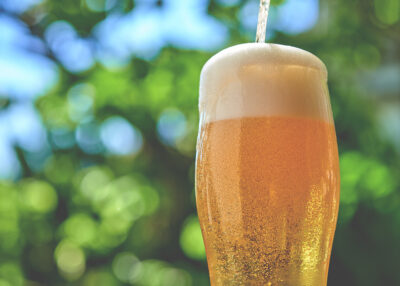
Spring is when beer starts to feel a little brighter.
After months of heavy stouts and rich winter ales, brewers and drinkers alike begin reaching for something lighter, crisper and more refreshing. That’s where saison comes in!
Often called a “farmhouse ale,” saison has roots in the rural countryside of Belgium and northern France. Farmhouses brewed beer during the cooler months and stored it for workers to drink during the busy farming season in spring and summer.
The beer needed to be refreshing, durable and safe to drink after months of storage. Clean water wasn’t always reliable, so beer was served as a daily source of hydration for farmhands working long hours in the fields.
Today, saisons are no longer brewed out of necessity. They’re brewed for character, tradition and the beautiful balance between rustic simplicity and bright complexity.
So What Makes a Saison a Saison?
A saison isn’t defined by one single ingredient. Instead, it’s a combination of brewing techniques that create a distinctive personality.
The Grain Bill: Most saisons start with pilsner malt, sometimes supported by wheat, spelt or other grains. The result is a light color and a crisp, dry base.
Expressive Yeast: Saison yeast strains are famous for producing fruity and spicy aromas. Think pepper, clove, citrus and subtle earthiness.
High Carbonation: Saisons are often lively and effervescent, which helps lift their aroma and makes them incredibly refreshing.
Dry Finish: Despite their complexity, saisons typically finish dry, meaning they aren’t heavy or overly sweet.
The result is a beer that feels light and refreshing, yet layered with aroma and flavor.
Why Is It Called a “Spring” Saison?
Historically, saisons were brewed in late winter or early spring when temperatures were cool enough for fermentation. Brewing during the hot summer months was risky before modern temperature control.
Once fermentation finished, the beer would be conditioned in barrels, bottles or casks until it was ready for farm workers during the warmer months ahead.
Spring saisons today often highlight the same spirit of the original style: bright, refreshing and perfect for the first warm days of the year.
Why Do Saisons Taste So Spicy?
Many people assume spices are added to saisons, but that signature peppery character usually comes from the yeast itself.
Saison yeast produces compounds during fermentation that create natural notes of black pepper, clove and citrus. Brewers sometimes enhance this with ingredients like orange peel or coriander, but the yeast is the real star of the show.
What Should Saisons Be Paired With?
Because saisons are dry, bubbly and aromatic, they’re incredibly food-friendly, especially with fresh, seasonal dishes.
Great pairings include:
- Grilled chicken or roasted vegetables
- Fresh salads with citrus vinaigrettes
- Goat cheese or soft farmhouse cheeses
- Seafood like mussels, shrimp or grilled fish
- Light spring pastas with herbs or lemon
The carbonation cuts through richness while the spice and citrus notes complement fresh ingredients beautifully.
Saison is a style that proves great beer doesn’t need to be heavy to be complex. It’s crisp, aromatic and full of character, making it just as enjoyable for seasoned craft beer fans as it is for someone trying the style for the first time.
Cheers!