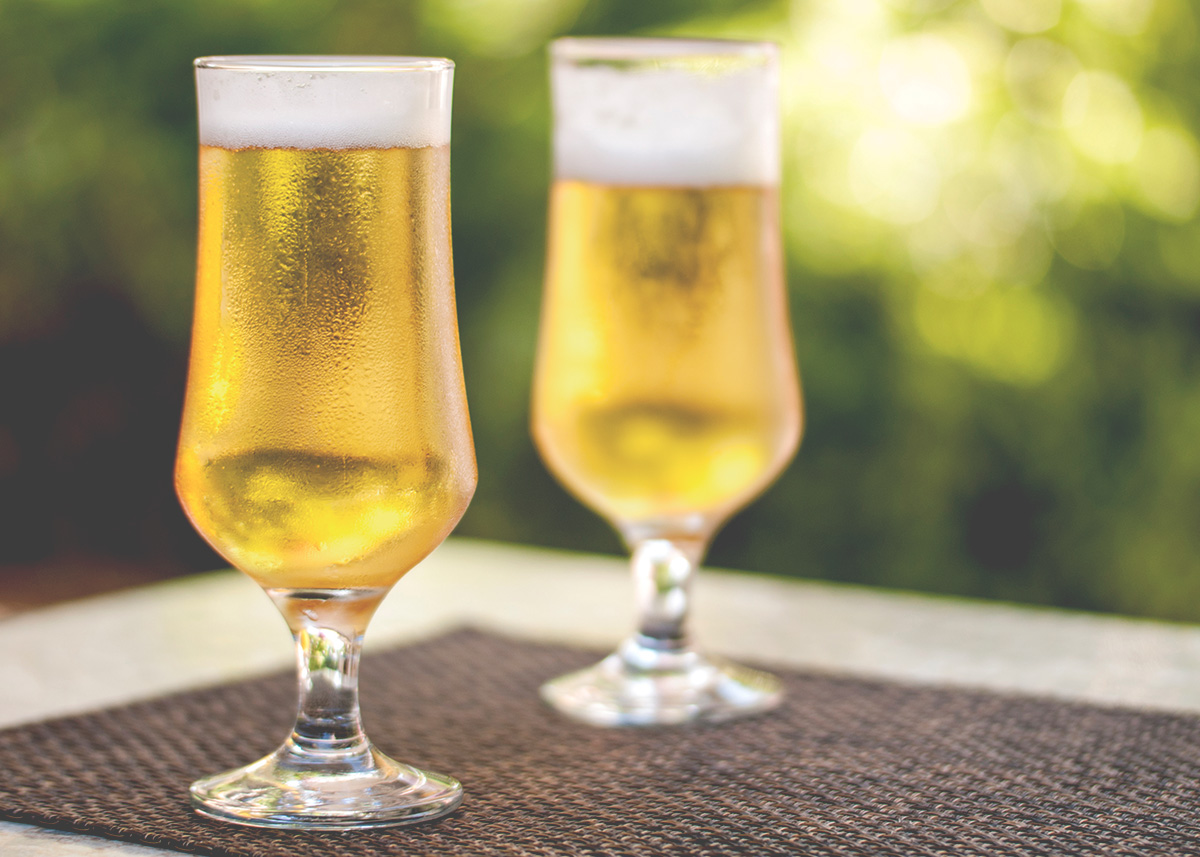
Spring is when beer starts to feel a little brighter.
After months of heavy stouts and rich winter ales, brewers and drinkers alike begin reaching for something lighter, crisper and more refreshing. That’s where saison comes in! (more…)
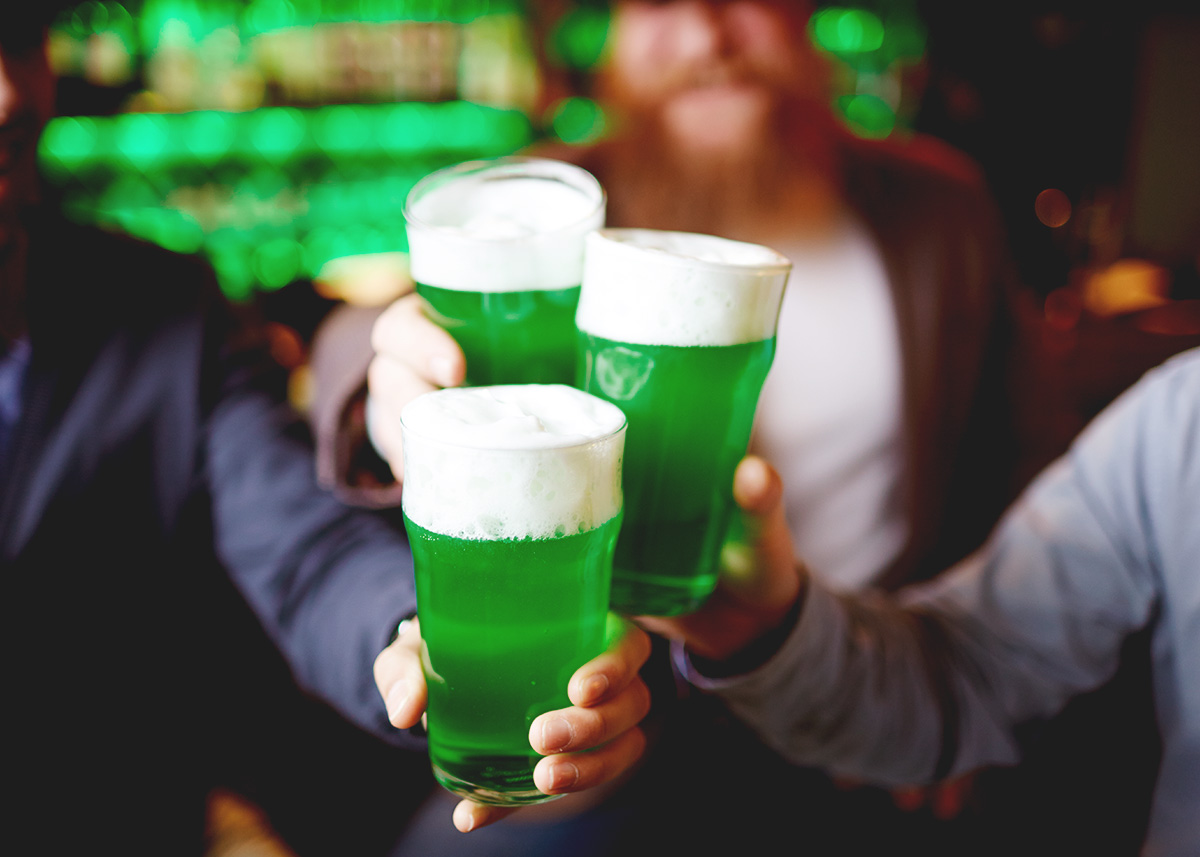
Every March 17, bars fill up, pints flow freely and suddenly everyone’s a little bit Irish.
But how did a religious feast day turn into one of the biggest drinking holidays of the year? And why do certain drinks like stout, whiskey and that famously green-tinted beer feel non-negotiable?
Let’s talk history. (more…)
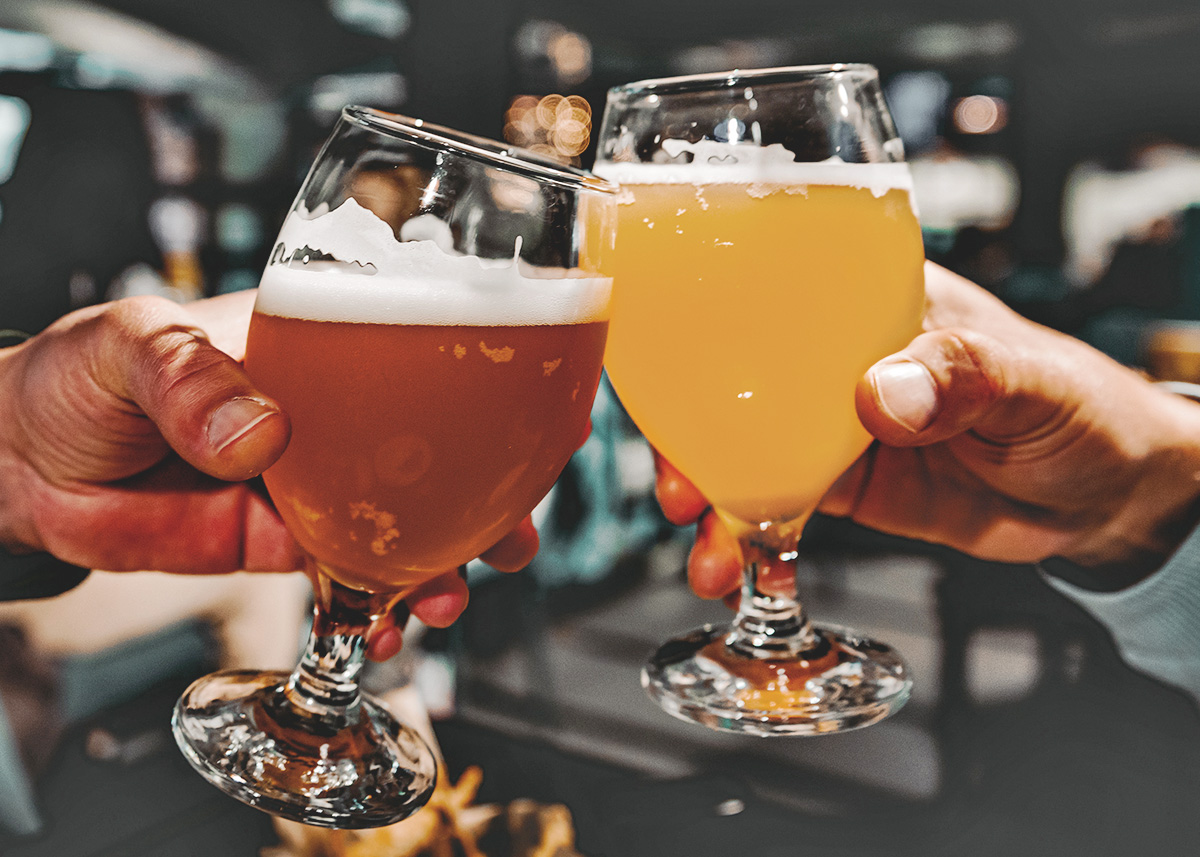
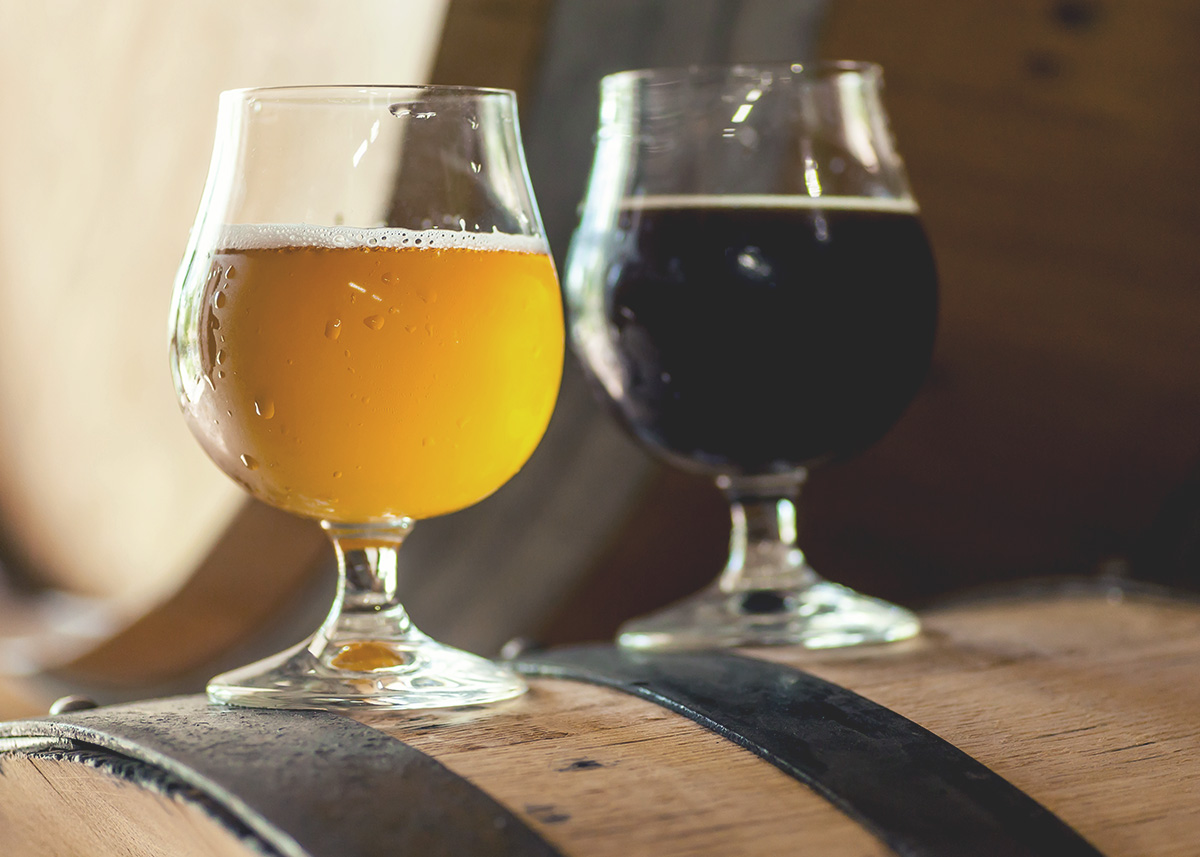
Before we get into the beer, it helps to understand the barrel.
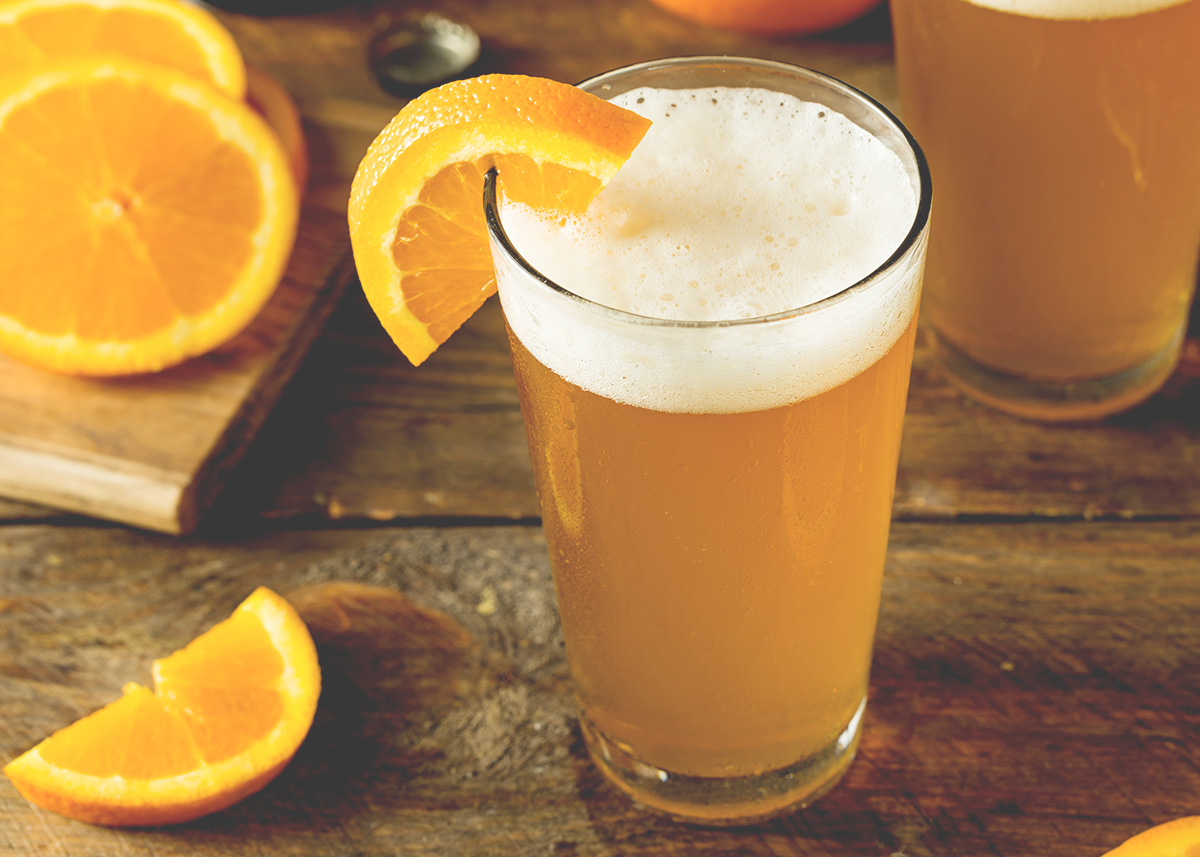
Aging beer in wooden barrels began as a practical necessity. Before stainless steel tanks existed, brewers used whatever vessels they had access to and that often meant wood.
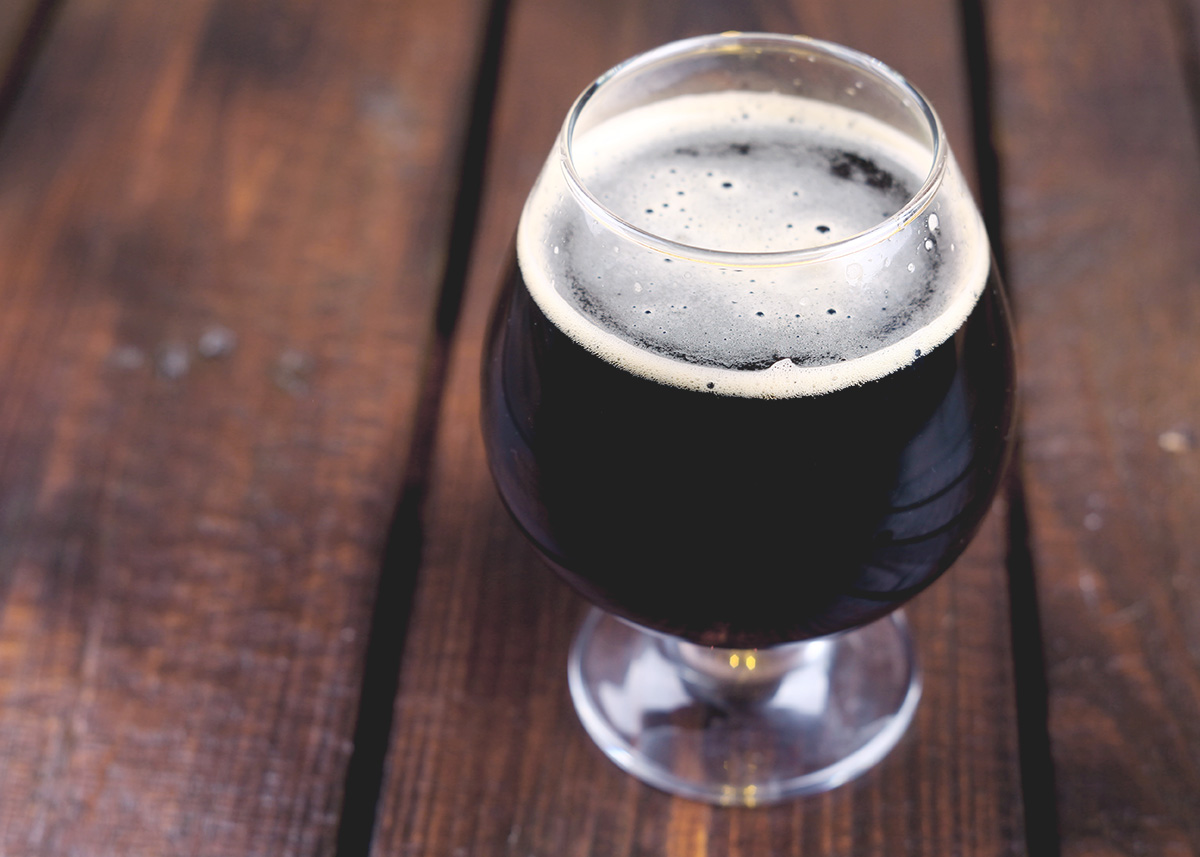
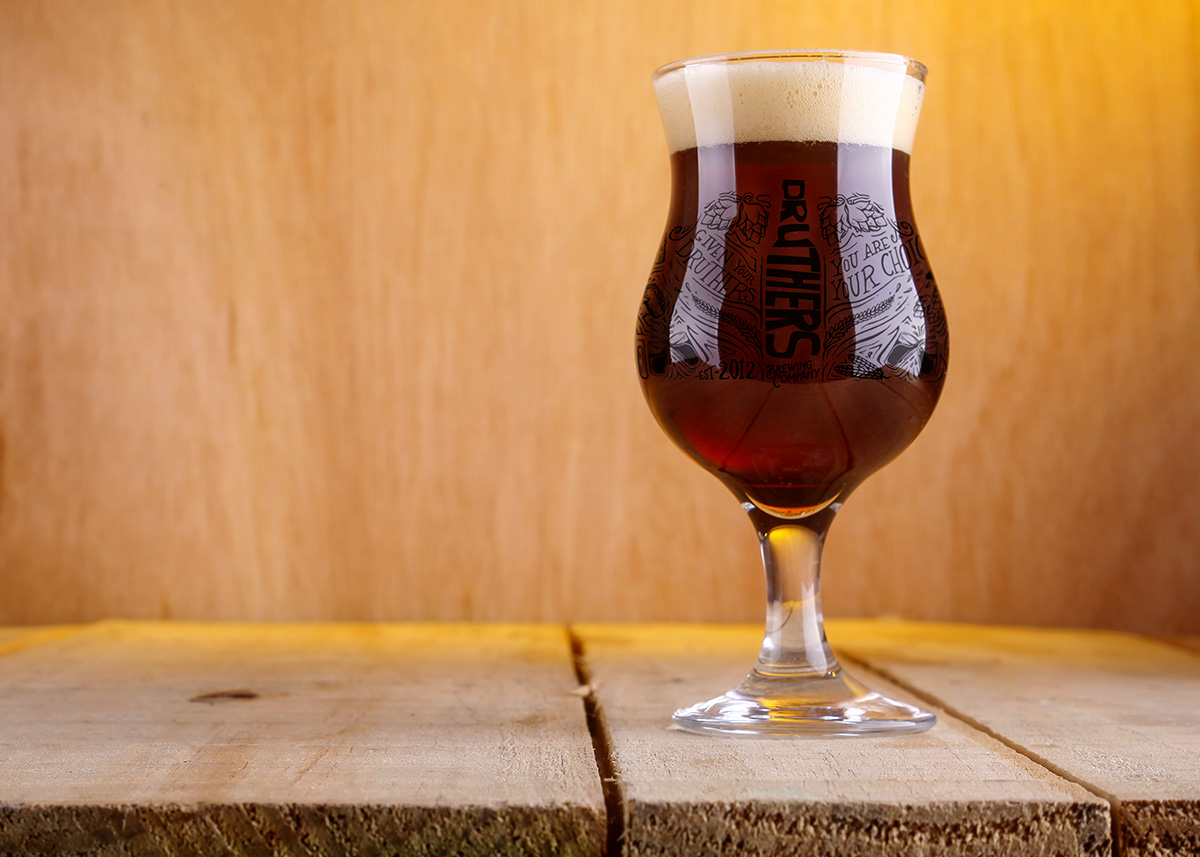
Today, barrel-aging is no longer about practicality, it’s about flavor. Barrels are chosen intentionally and each one is a world of complexity. (more…)
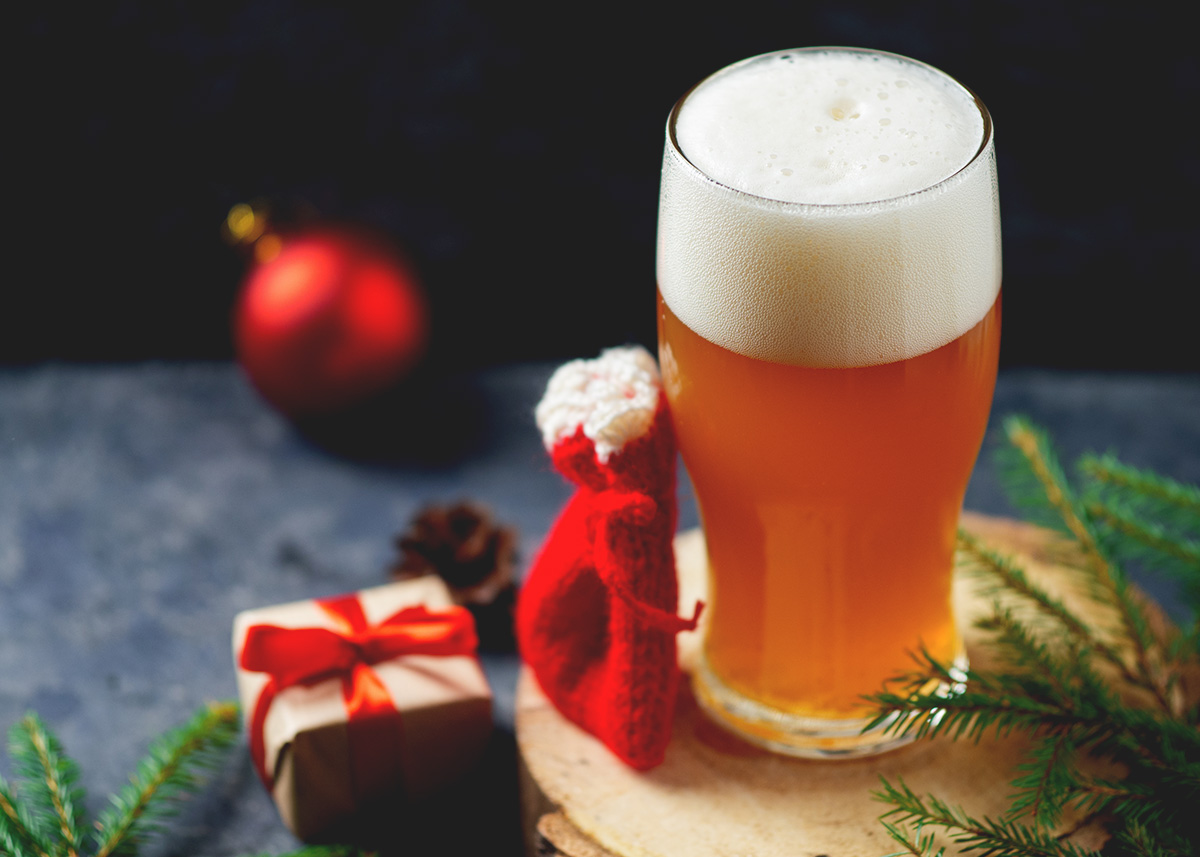
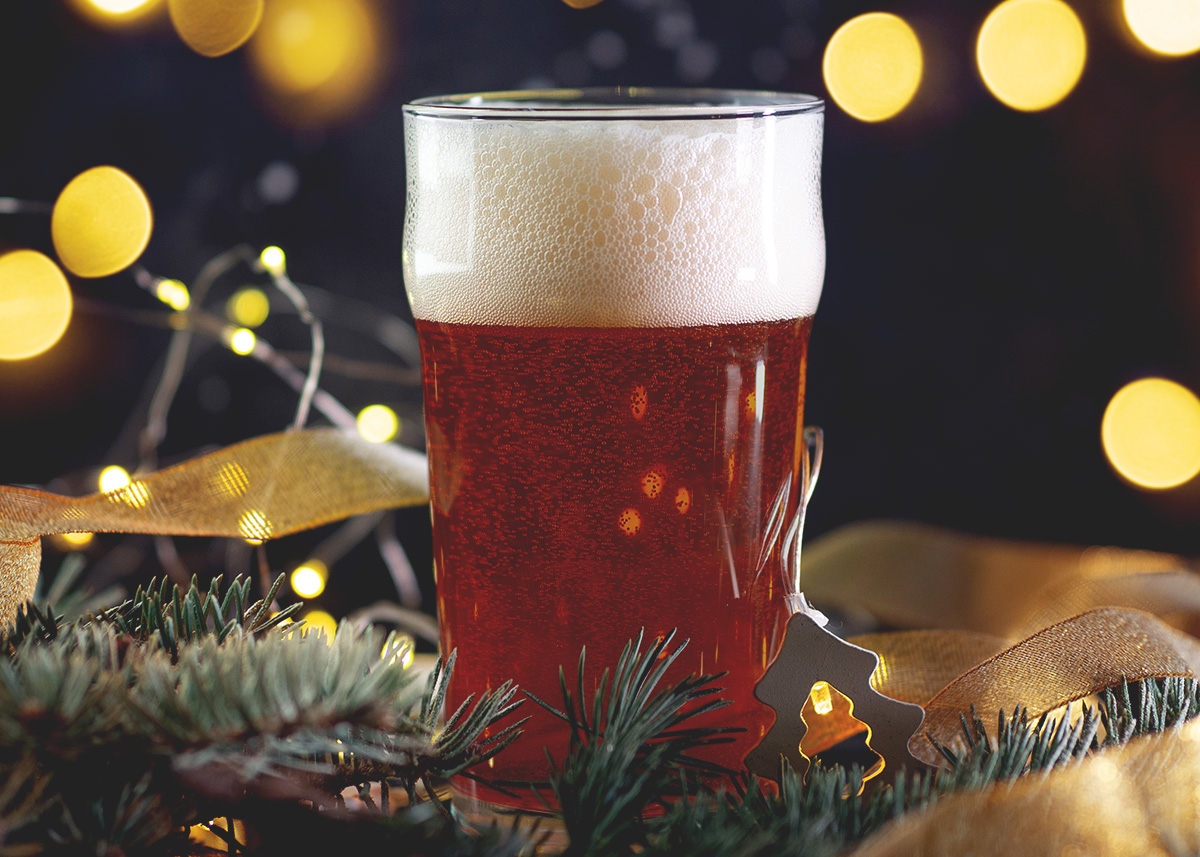
Christmas Ale, also known as winter ale, is the festive, seasonal beer that wraps you up in holiday cheer with every sip. It’s got a rich, spiced profile that makes it the perfect brew for the colder months, delivering both warmth and flavor when you need it most. But what exactly makes a Christmas Ale unique? Let’s break it down. (more…)
Cask ale is one of the oldest and most respected styles in the world of craft beer. Unlike the modern beers often seen on the shelf, cask ale offers a taste of tradition, craft and a lot of patience. But what makes this unfiltered, naturally carbonated beer so unique, and why should beer lovers appreciate it? (more…)
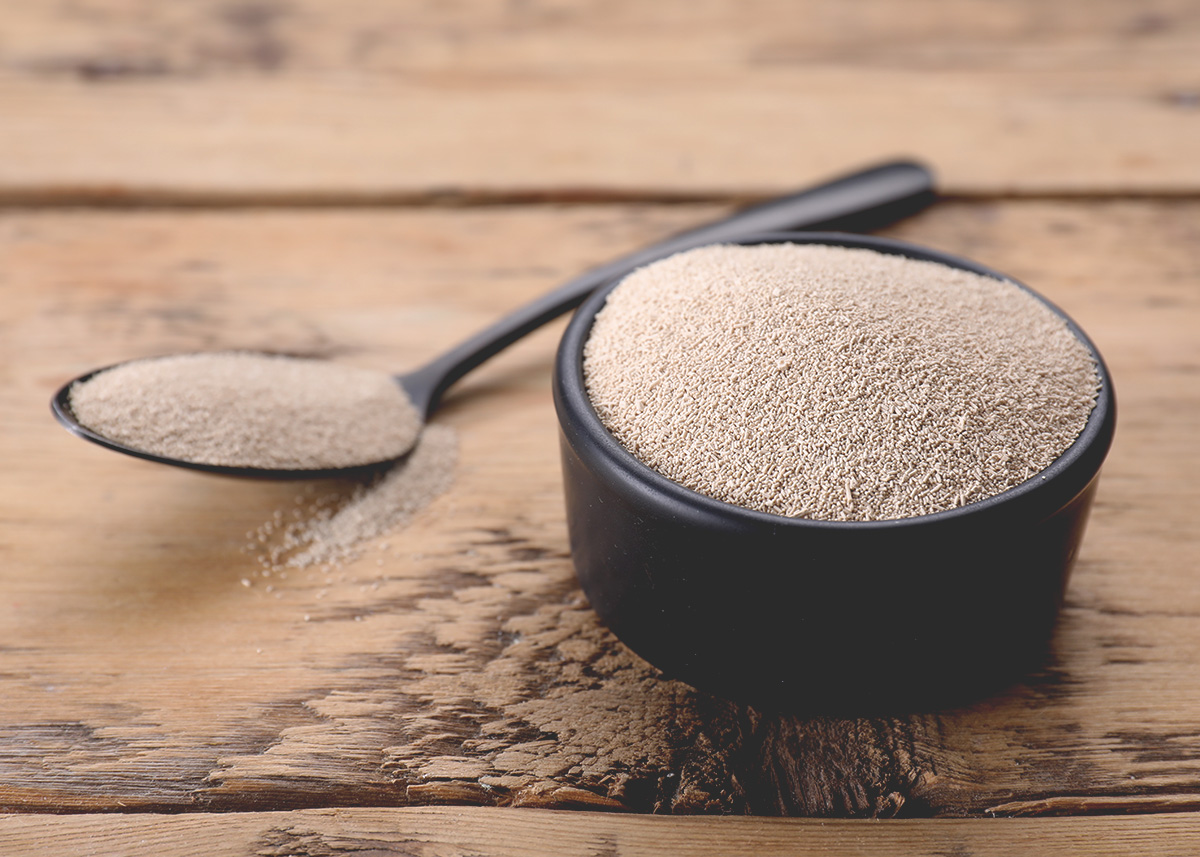
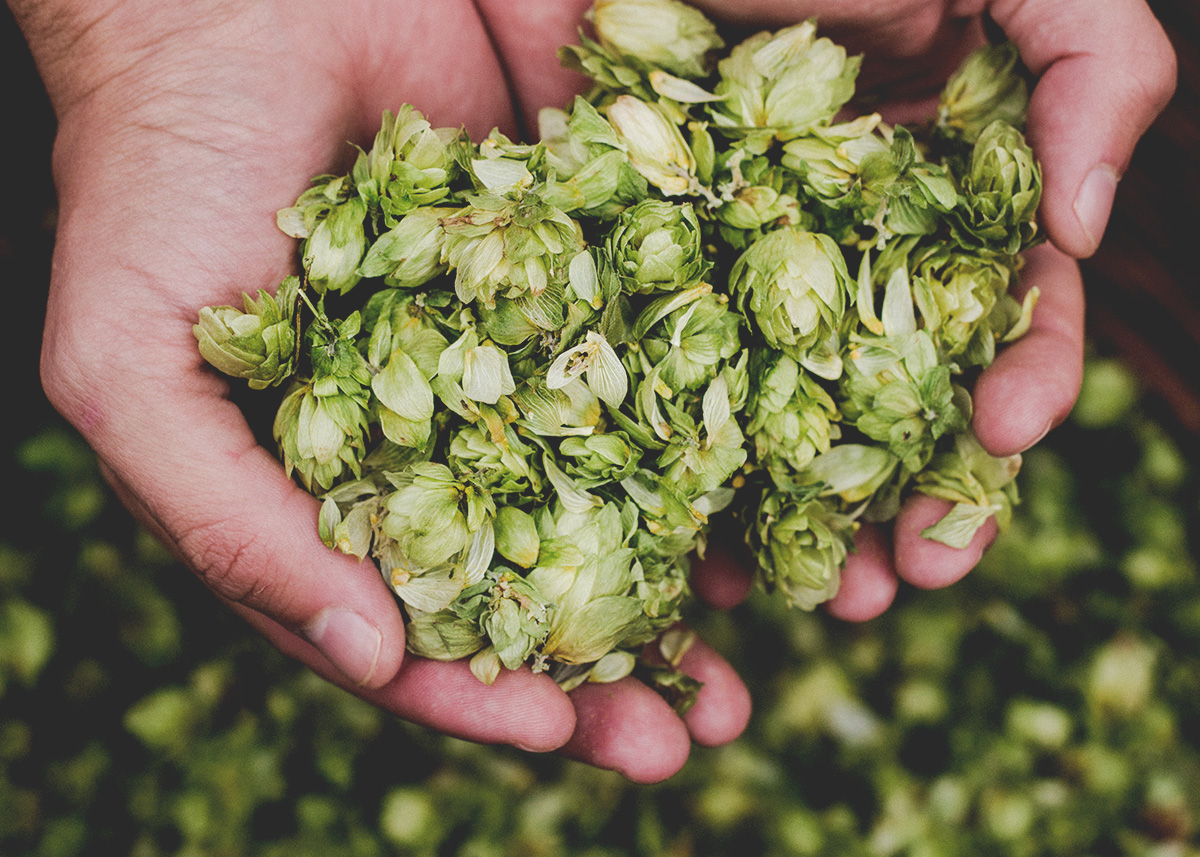
Before hops took the spotlight in beers, yeast was quietly doing all the heavy lifting. It’s the unsung hero of beer. A microscopic, single-celled fungus that not only makes beer beer (thanks, alcohol and bubbles!) but also plays a huge role in how it tastes. If you’re drinking a banana-y Hefeweizen or a funky saison, you’re tasting yeast in action.
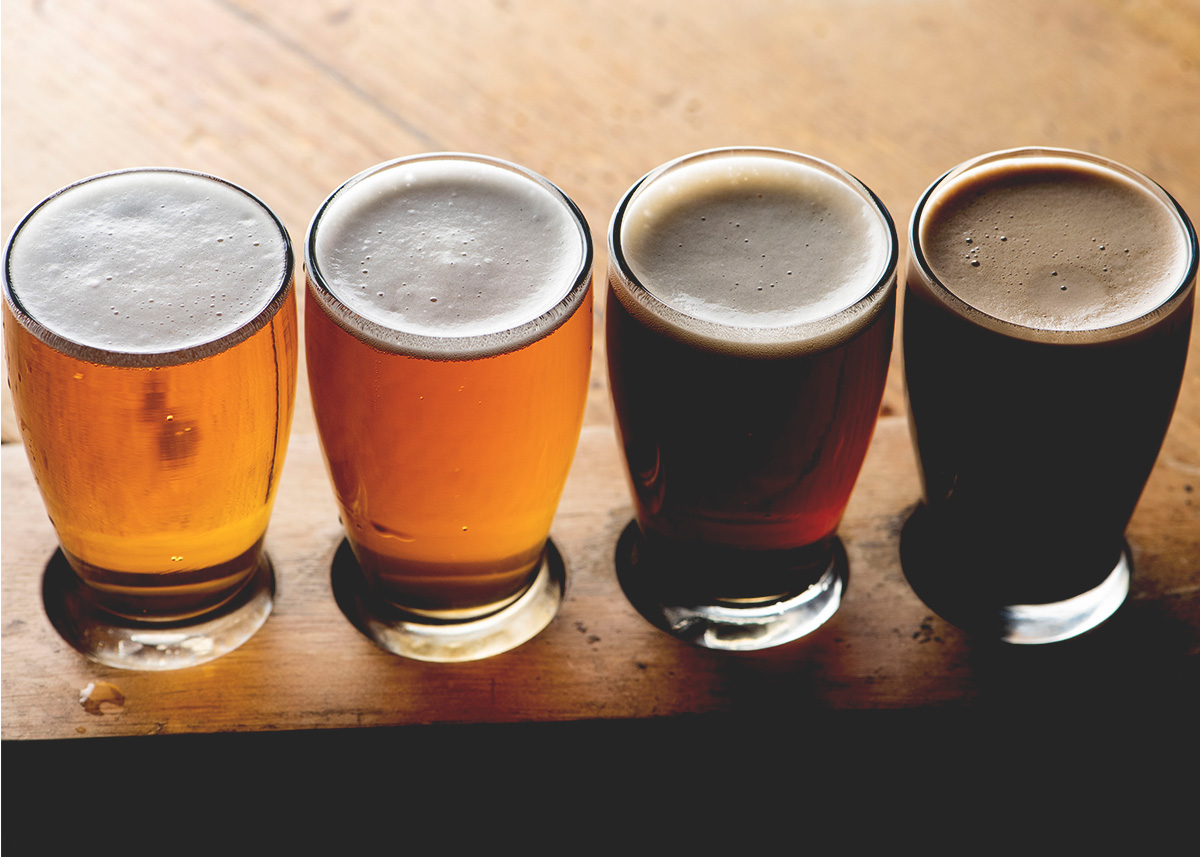
Pilsner is one of the most iconic and refreshing beer styles out there. But did you know that there are actually several types of pilsners, each with its own flavor, history and personality?
Let’s break down the three most popular versions: Czech, German and American Pilsner—and ultimately help you figure out which one you’d like in your glass.
With Dry January in the rearview mirror, hangovers may have made their triumphant return to ruin the morning after a night of drinking.
Whether it’s a pounding headache, an extremely dry mouth, dizziness, irritability, fatigue or all of the above, most of us have experienced a hangover and all want the same thing – for it to end as soon as possible!
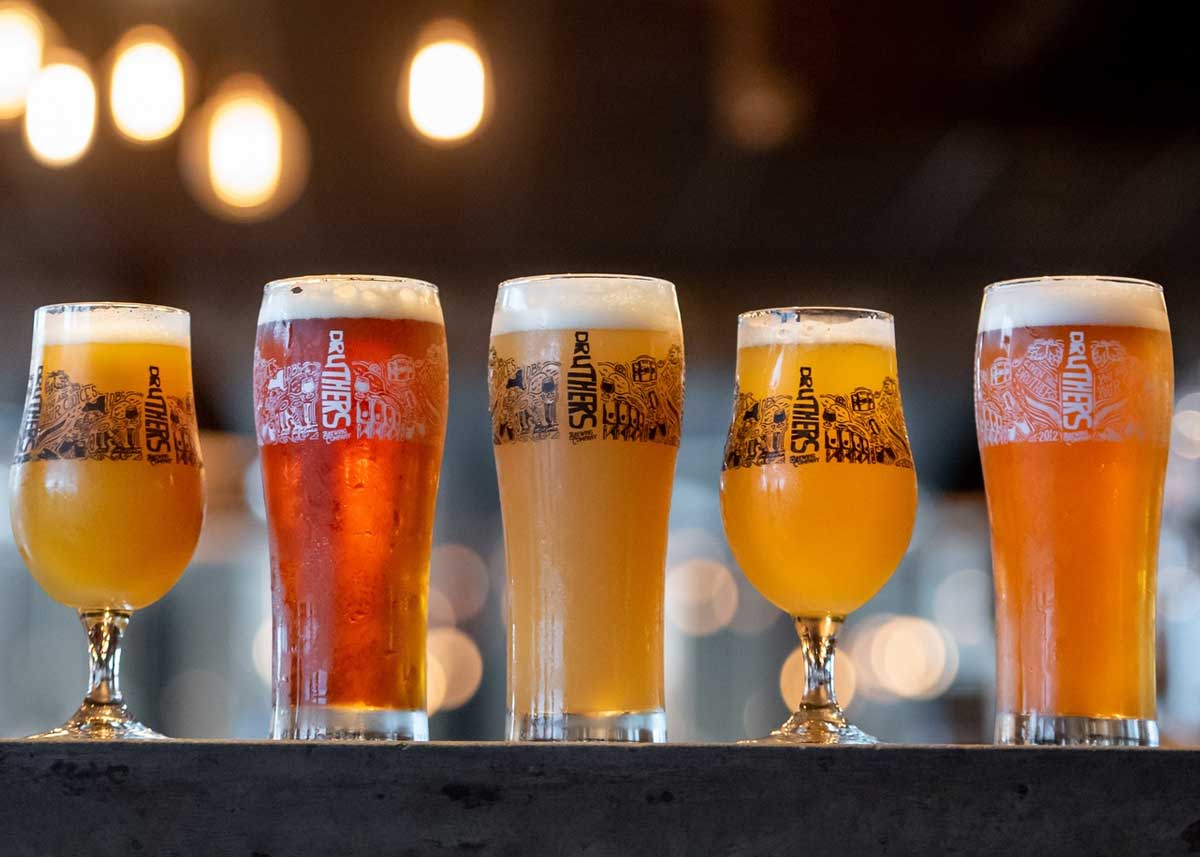
Of course, the best gift for a beer lover is… beer! Druthers Brewing Company offers a strong slate of year-round favorites, including All in IPA, 80 Shilling, Golden Rule Blonde and Uncurious. You can also give the gift of a Druthers gift card.
But if you’re looking to round out your four-pack with other beer accessories, we’ve got you covered! (more…)
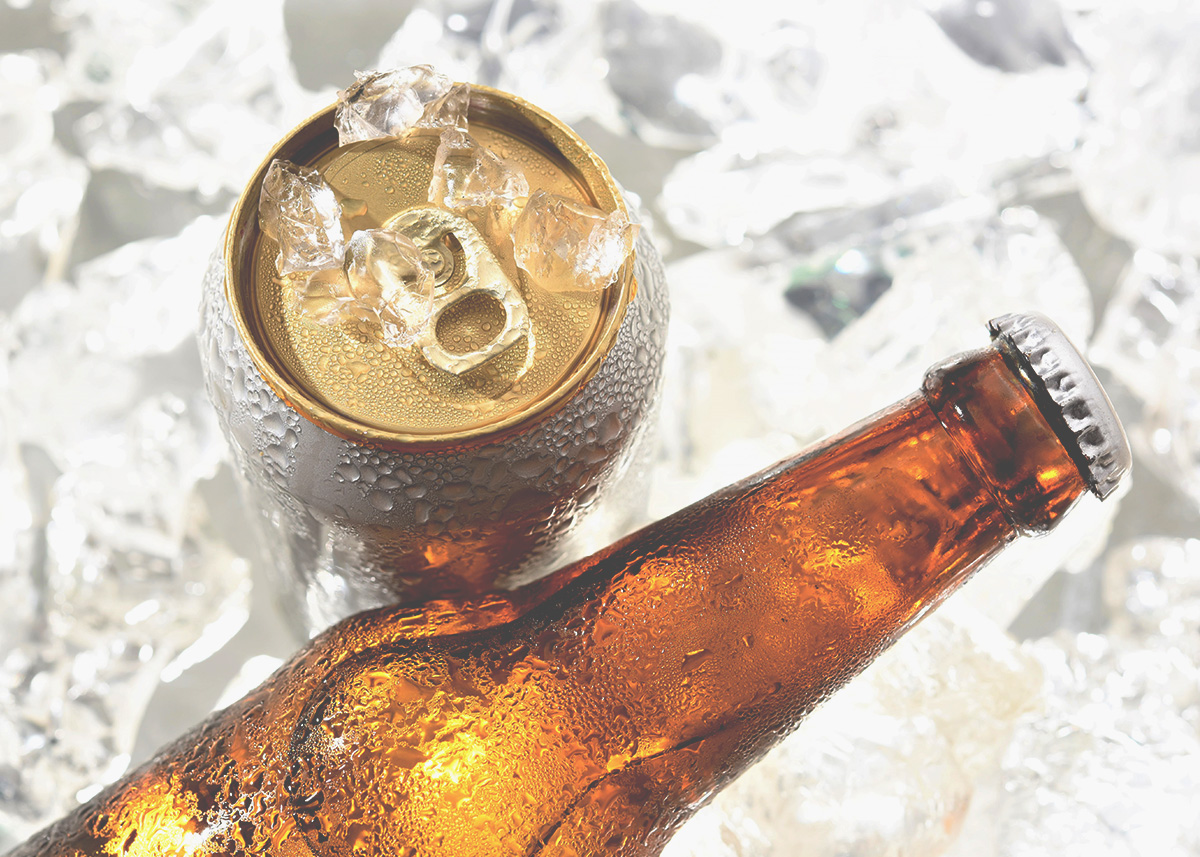
With summer picnic season in full swing, you may be assigned the most important job: bringing the beer! And with great power, comes great responsibility. Because there will be shelves and shelves of options at the local grocery store. You’ll have to decide on brand, style and even whether it’s in a bottle or a can.
Enjoying a beer in the sun is a summertime rite of passage. There’s only one thing that could ruin it…getting skunked! While being sprayed by a certain black and white striped animal would certainly not be ideal, we’re talking about when a bottle of beer is exposed to direct sunlight, resulting in a sulfur taste. (more…)
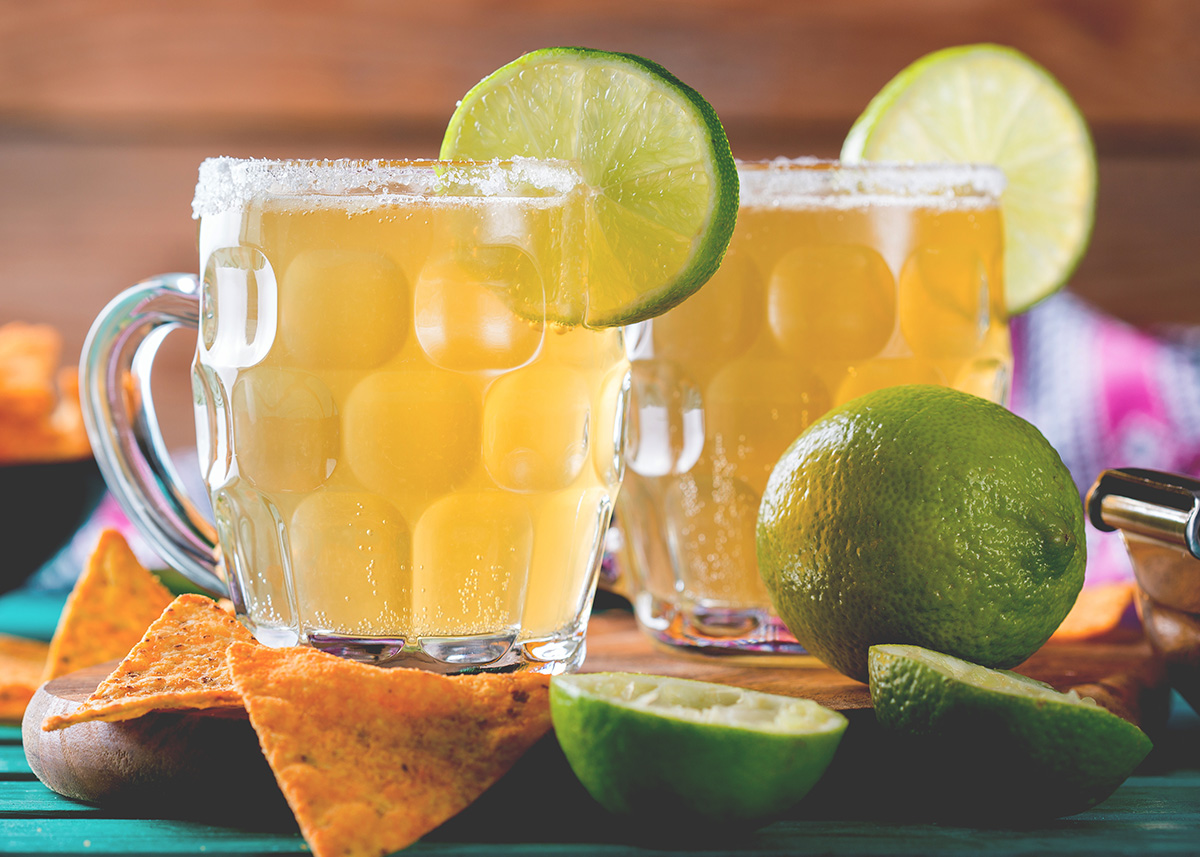
We know what you’re thinking. Beer doesn’t need all the fancy accouterments that cocktails do. It is perfect all on its own. But what if you could make it…more perfect?
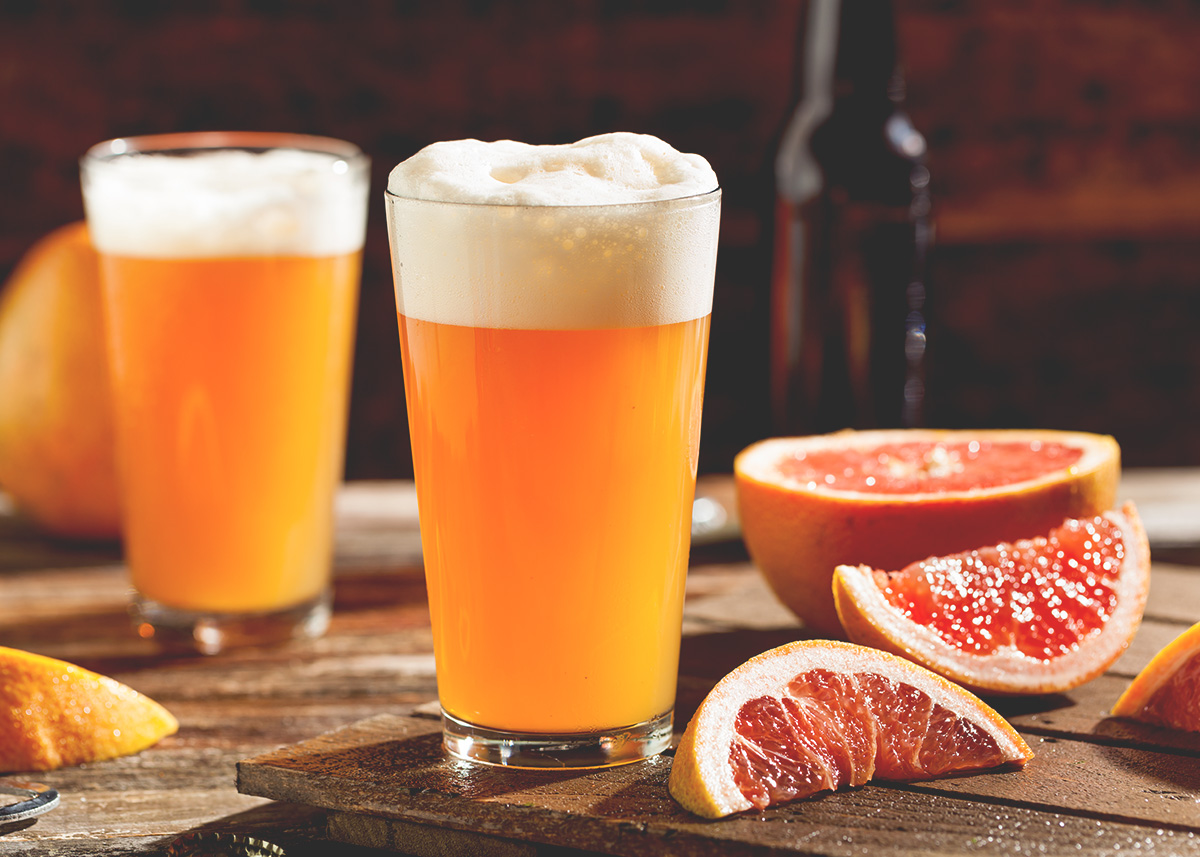
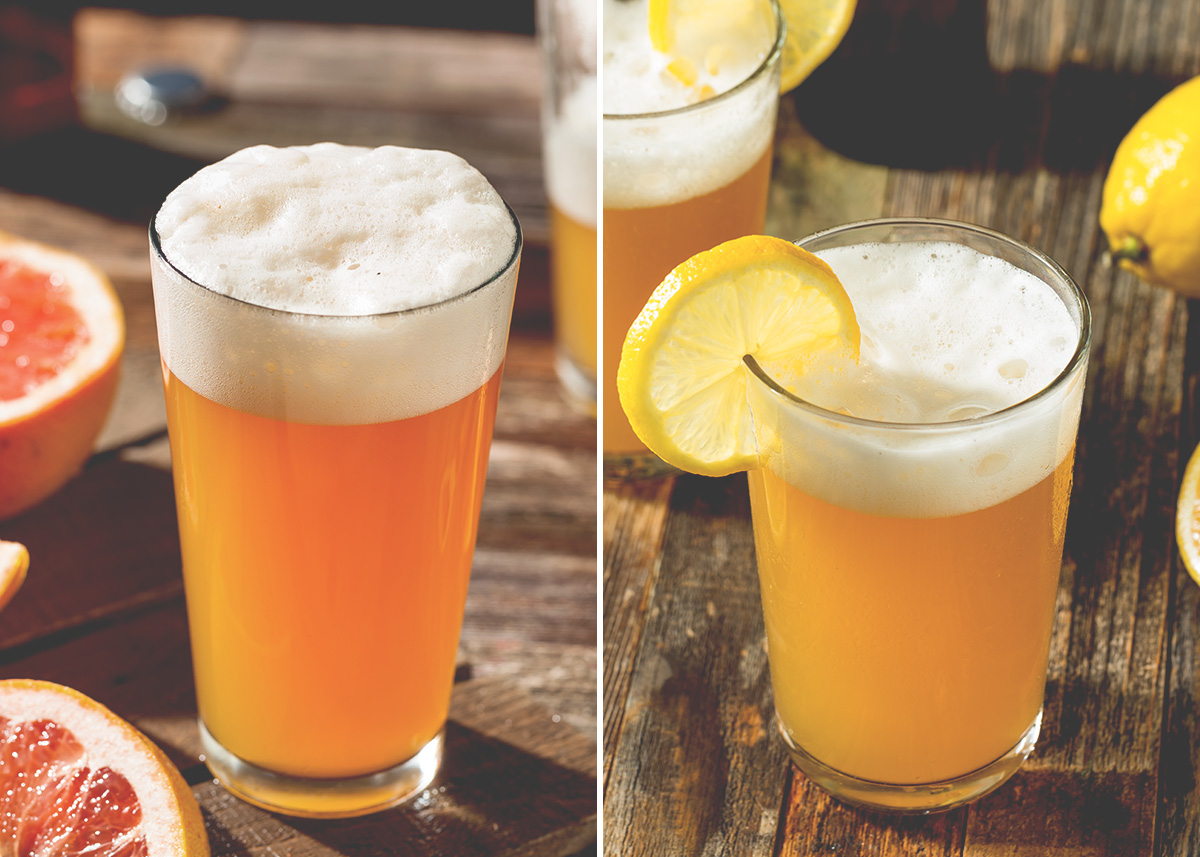
When used right, a garnish can complement, enhance or mirror the natural flavors in beer to unlock new levels of flavor. Here are some of our favorites. (more…)
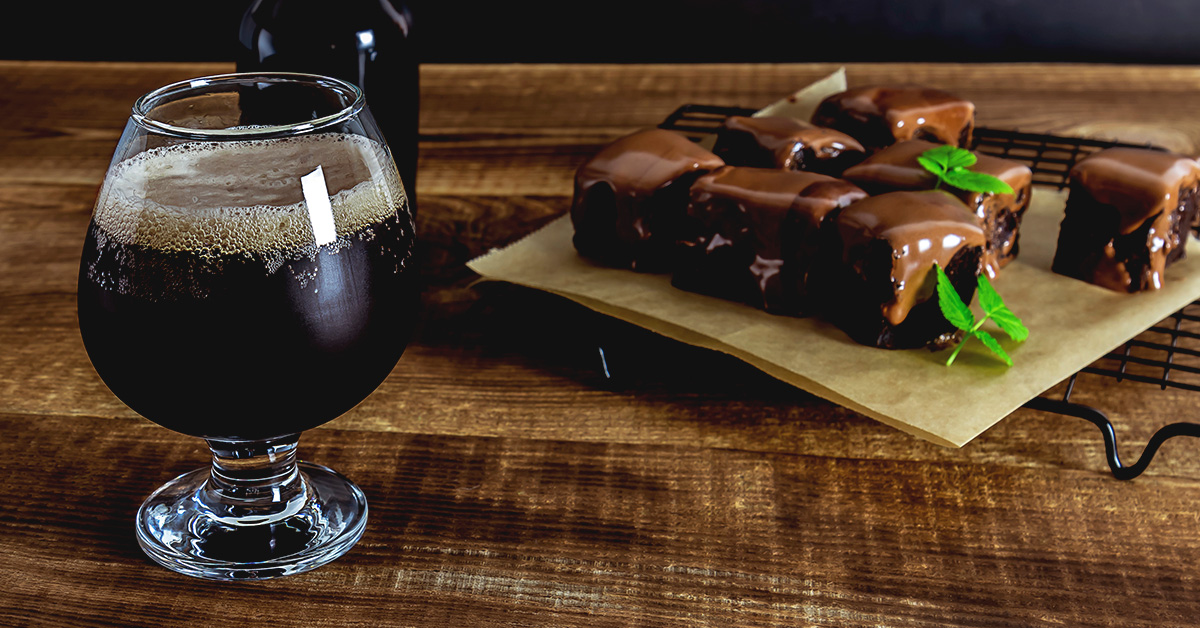
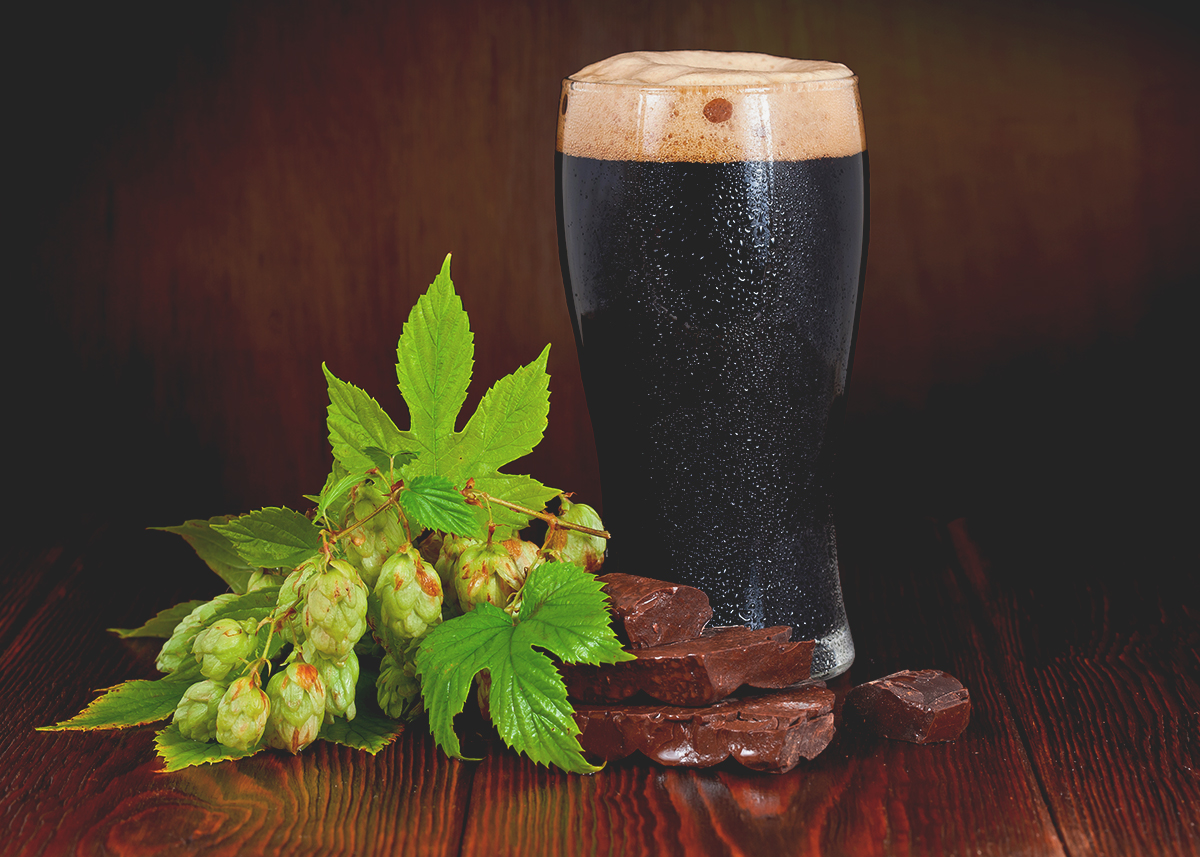
Wine may have the stronger reputation, but beer can also pair deliciously with chocolate.
In fact, beer and chocolate have a lot in common. They both undergo significant flavor development from the process of fermentation and both require a delicate balance of bitter and sweet flavors. Plus, the carbonation in beer actually cleanses and awakens the palate, better preparing you for whatever comes next.
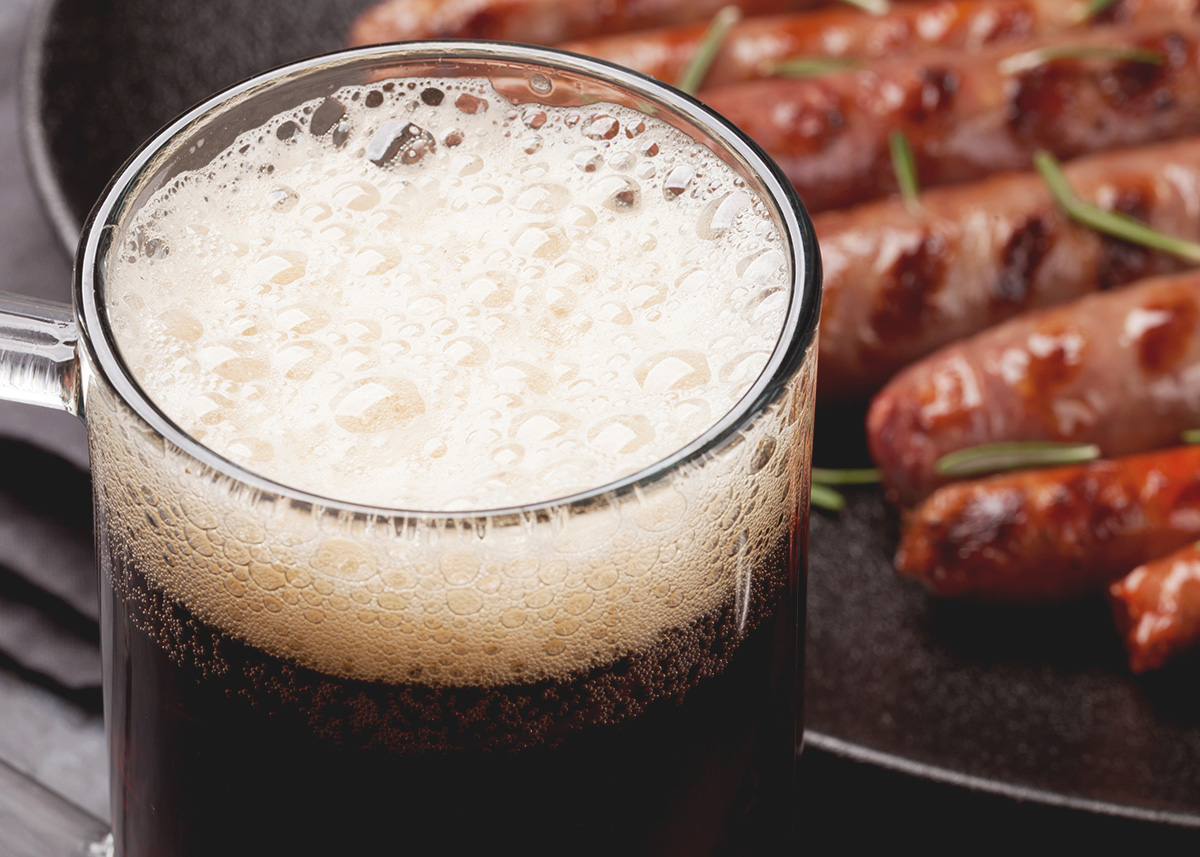
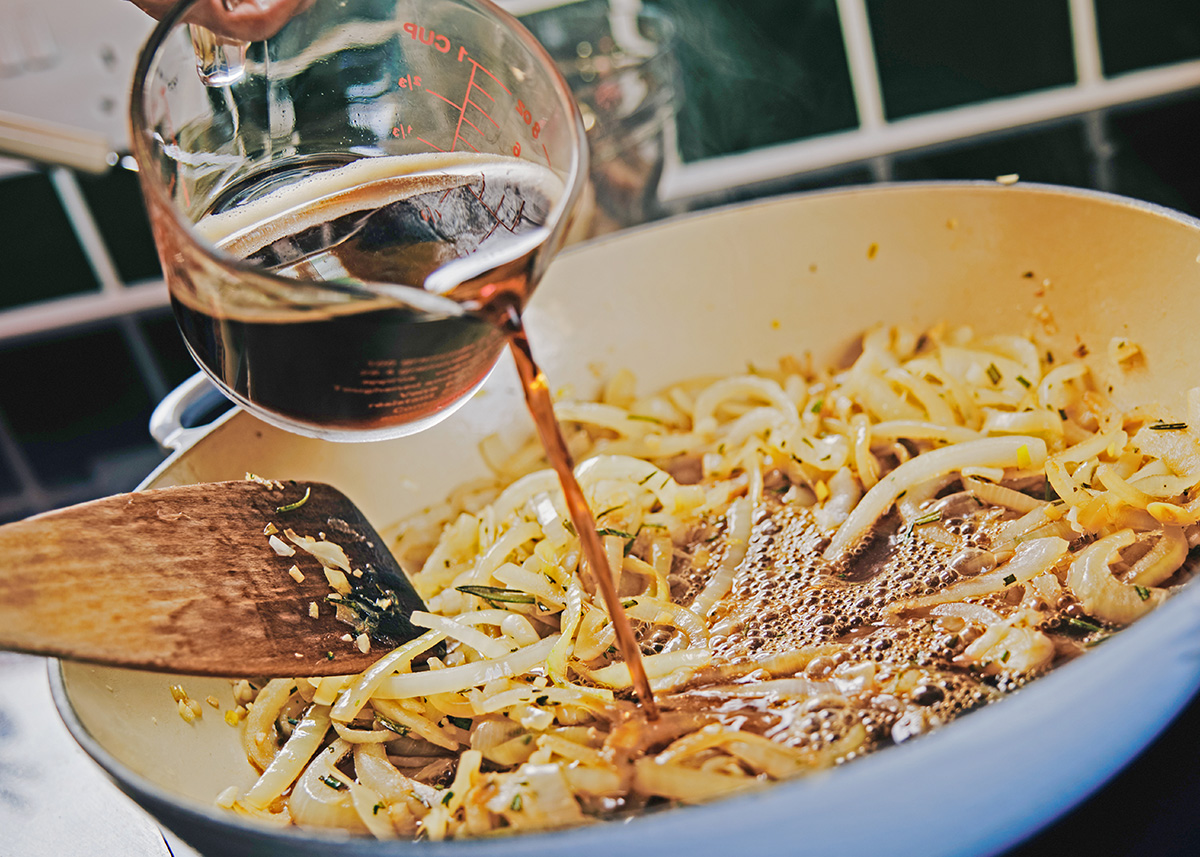
Since you already know how to perfectly pair your food and beer, let’s take it a step further. Here are tips and tricks to cook with the hoppy beverage to complement and bring out a variety of different ingredients, flavor profiles and textures. (more…)
In this case, “barleywine” manages to be both a helpful description and a tricky misnomer.
Let’s start with what it gets wrong. Barleywine is not wine. It is a beer made from sugars extracted from grains. So why in the world is it called a wine? Because of its strength and complexity that are similar to that of wine. (more…)
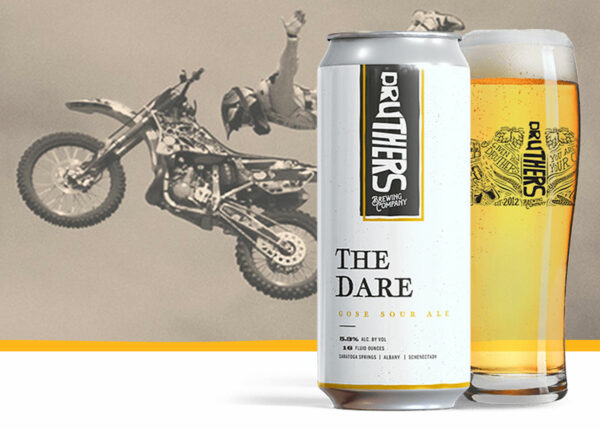
Before we can even make a single “here’s how the story gose” joke, the beer is pronounced “goz-uh.” So that won’t exactly work. But it does have a storied history going all the way back to the thirteenth century that is still worth telling today – especially for those who love a good comeback. (more…)
In this case, the name is both a helpful and slightly deceptive place to start. It is in fact a style born from the Belgian Trappist brewing tradition, but nothing is exactly tripled in its production.
Nonetheless, we have to go back to those early days in monastery breweries to better understand how we ended up with a perfectly golden-hued thirst quencher.
While this question may seem straightforward, the answer is as murky as the beers themselves. Because a porter and a stout are only separated by a thin line and sometimes even that becomes blurred. In order to better understand these two subtly different beer styles, it helps to go back to the beginning. (more…)